
บริษัทผลิตสินค้าพรีเมี่ยม กรุงเทพมีหลายบริษัท ให้บริการผลิตจัดหาของพรีเมี่ยม มีบริการออกแบบของพรีเมี่ยม สกรีนโลโก้ลงไปบนของพรีเมี่ยม บริการครบวงจร ทำไมต้องสั่งทำของพรีเมี่ยมเหมาะกับผู้ที่ต้องการสั่งผลิตของพรีเมี่ยมจำนวนมาก ต้องการของพรีเมี่ยมไปส่งเสริมการขาย โฆษณาประชาสัมพันธ์แบรนด์หรือองค์กรที่ต้องการส่งมอบของพรีเมี่ยมแจกจ่ายให้พนักงาน ผู้เข้าร่วมการอบรม บุคคลธรรมดาทั่วไปที่ต้องการสั่งทำของพรีเมี่ยมไปแจกจ่ายเป็นของขวัญ ของชำร่วย ของที่ระลึกสั่งผลิตของพรีเมี่ยมเลือกโรงงานที่เชื่อถือได้ บริษัทผลิตสินค้าพรีเมี่ยม กรุงเทพที่ไหนดี 1.Bangkok Premiums บริษัทรับผลิตของพรีเมี่ยม ที่มีสำนักงานใหญ่ตั้งอยู่ในกรุงเทพ อาคารหรินทร ชั้นที่ 2 , 54 ถนนสาทรเหนือ กทม. 10500 ประเทศไทย รับผลิตของพรีเมี่ยม ออกแบบผลิตของพรีเมี่ยมให้โดดเด่นไม่ซ้ำใครรับจัดหาผลิตของพรีเมี่ยมเพื่อส่งเสริมการขาย
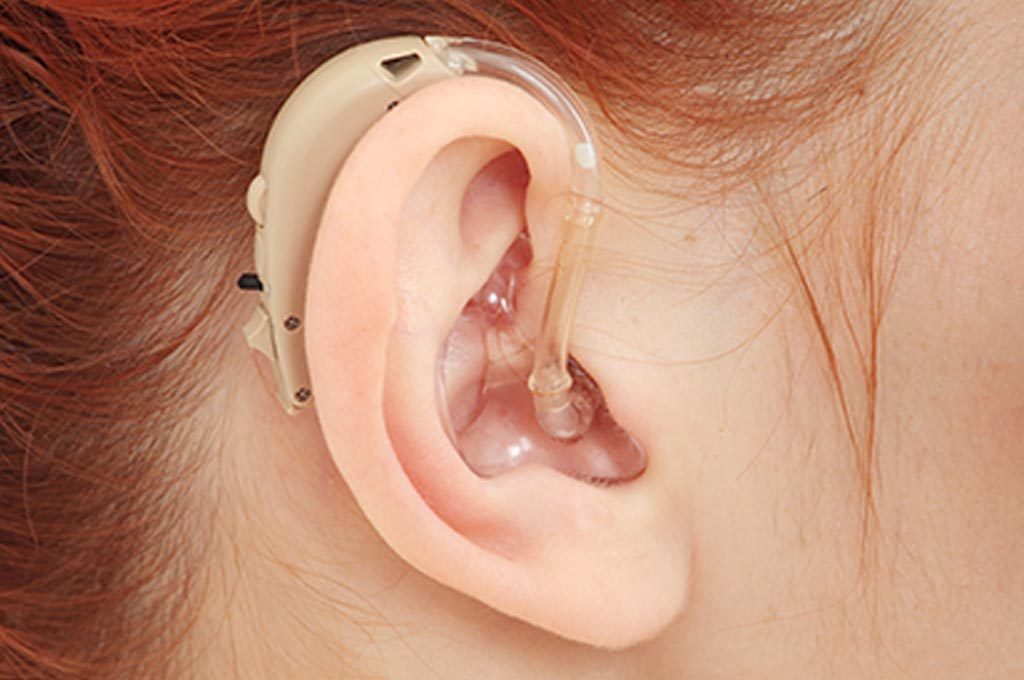
ทำความรู้จักกับเครื่องช่วยฟังทำความรู้จักกับเครื่องช่วยฟัง
หากว่าเอ่ยถึงปัญหาสุขภาพของคนที่มีอายุมาก หรือเป็นปัญหาเกี่ยวกับการได้ยิน ทุกๆ คนก็คงรู้สึกเหมือนกันใช่ไหมว่า ปัญหาการไม่ได้ยินเป็นปัญหาที่ทำให้เกิดความเครียดและความกังวลมากที่สุด ซึ่งหากว่าใครที่เจอกับปัญหานี้ ขอแนะนำว่าให้คุณลองหาความรู้เกี่ยวกับเครื่องช่วยฟังมาอ่านเสียก่อน เพื่อพิจารณาว่าการใช้เครื่องสำหรับช่วยฟังนั้นมีประโยชน์อย่างไรบ้าง อะไรคือเครื่องช่วยฟัง ต้องบอกเลยว่าเครื่องลักษณะนี้เป็นเครื่องอิเล็กทรอนิกส์ หรืออุปกรณ์ที่มีขนาดไม่ใหญ่นัก แต่สามารถทำหน้าที่สำหรับการขยายเสียงได้เป็นอย่างดี เพื่อให้คนป่วยได้ยินอย่างเหมาะสมเป็นเฉพาะรายๆ ไป อย่างไรก็ดี เครื่องช่วยฟังนั้นจะมีการขยายเสียงสำหรับคำพูดและเสียงต่างๆ ในสิ่งแวดล้อม ซึ่งข้อจำกัดก็คือไม่สามารถขยายเฉพาะเสียงคำพูดโดยปราศจากเสียงรบกวนได้นั่นเอง ข้อจำกัดของเครื่องสำหรับช่วยฟัง หลายๆ คนก็อาจจะคิดว่า เครื่องสำหรับช่วยฟังไม่มีข้อจำกัดแต่ประการใด แท้จริงแล้วเครื่องนี้ เป็นเครื่องที่เสียงไม่เป็นธรรมชาติสักเท่าใดนัก และเสียงจะดูเหมือนราวกับว่าคล้ายกับผ่านลำโพงออกมา ทำให้เกิดความชัดเจนของเสียงมากกว่าเงี่ยหูฟังเอง และอย่างไรก็ตาม ความชัดเจนที่ได้รับของแต่ละคนนั้น ก็จะอยู่ที่ว่าระบบประสาทการได้ยินของคนป่วยมีมากหรือน้อยแค่ไหน โดยเครื่องไม่สามารถรักษาโรคของการได้ยิน

LINE Ads Platform คืออะไร line ads ราคาแพงไหม LINE Ads Platform คืออะไร line ads ราคาแพงไหม
LINE Ads Platform หรือ line ads คืออะไร line ads ราคาเท่าไหร่ แพงไหม วันนี้เราจะพาทุกคนมาหาคำตอบ การตลาดออนไลน์ในยุคนี้ หลายปีก่อน Facebook เข้ามาเปลี่ยนแปลงโลกออนไลน์ ในปัจจุบันการโฆษณาผ่าน Facebook เป็นที่นิยมอย่างแพร่หลายสำหรับธุรกิจต่างๆ ในขณะที่ line ads ก็ได้ตีตื้นขึ้นมาจนได้รับความนิยมในยุคนี้ไม่แพ้กัน LINE Ads Platform คืออะไร LINE Ads Platform
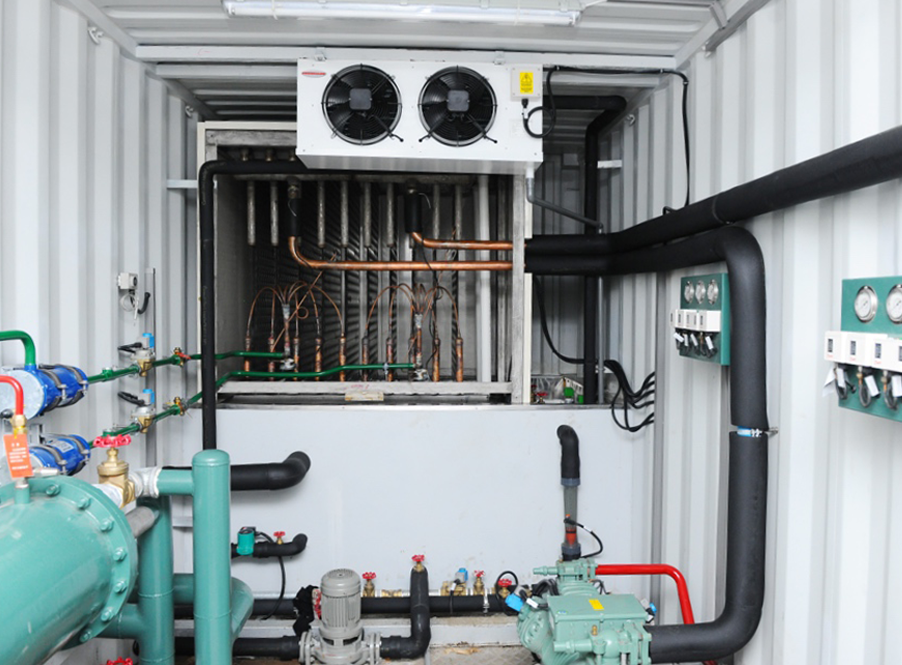
รู้จัก “chiller” กันมากขึ้นรู้จัก “chiller” กันมากขึ้น
ปัจจุบันนั้นนระบบภายในอุตสาหกรรมนั้นมีความหลากหลายมากยิ่งขึ้นอย่างมาก และ ที่สำคัญนั้นระบบความเย็นภายในอุตสาหกรรมนั้นก็มีความสำคัญอย่างมากด้วยเช่นกัน และ หลายคนนั้นอาจจะยังไม่รู้จักกับ chiller ด้วยเช่นกัน ดังนั้นในบทความนี้เราจะพาทุกคนไปรู้จักกับ “chiller “ กันดีกว่านะครับว่า chiller นั้นมีความสำคัญต่ออุตสาหกรรมอย่างไรบ้าง และ chiller คืออะไร ทำไมจึงมีความสำคัญต่ออุตสาหกรรม ในบทความนี้เราจะพาทุกคนไปรู้จักกับ “chiller” กันดีกว่านะครับว่ามีความสำคัญอย่างไรบ้าง และ ทำไมภายในอุตสาหกรรมนั้นจึงมีการเลือกใช้ chiller chiller คืออะไร chiller เป็นระบบที่มีอากาศขนาดใหญ่ ทำหน้าที่ผลิตน้ำเย็น หรือ
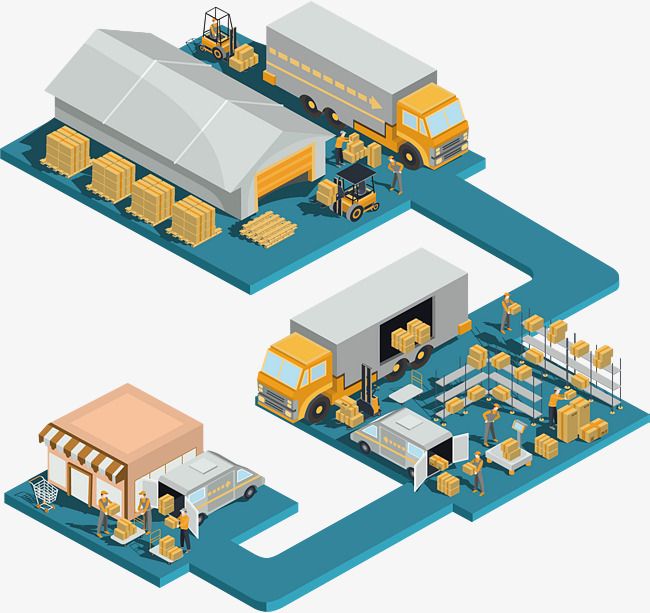
การนำเข้าสินค้าจากจีนมาขายการนำเข้าสินค้าจากจีนมาขาย
เบื่อการทำงานบริษัท ไม่อยากมีชีวิตจำเจ แต่จะให้เริ่มต้นผลิตสินค้าเองมาวางขายก็ไม่ถนัดเท่าไหร่ ทำไงดีล่ะทีนี้!? นำเข้าสินค้าจากจีนคือคำตอบ!! ในยุคที่การติดต่อสื่อสารข้ามประเทศเป็นเรื่องง่ายๆ บริษัทชิปปิ้งจากจีนที่จะช่วยขนส่งจากจีนมาไทยก็มีให้เลือกเยอะแยะ การจะนำเข้าสินค้าจากจีนมาขายตีตลาดในไทยไม่ใช่เรื่องยากเลย จะเป็นสินค้าที่ผลิตมาแล้ว หรือสั่งผลิตใหม่ก็มีโรงงานรับทำหลายที่ แต่ถ้าเริ่มต้นจะนำเข้าสินค้าจากจีนมาขายแล้วแล้วก็อยากจะทำให้ได้ในระยะยาวใช่มั้ยล่ะ? แล้วอย่างนี้ต้องดูอย่างไร 1. ดูพื้นฐานของตัวเอง พื้นฐานในที่นี้ไม่ใช่น้ำหนัก ส่วนสูง หรือลักษณะทางกายภาพ แต่ควรดูที่ใจ ดู ความชอบ ความถนัด แต่ละคนมีความชอบความถนัดไม่เหมือนกันจริงไหมคะ ไม่ใช่ว่าเห็นคนอื่นทำ สิ่งนี้ดี แล้วตัวเราทำจะต้องดีเหมือนกัน เพราะการทำสิ่งใดก็ตาม ถ้าจะให้ดีต้องมีพื้นฐานมาจากใจ ข้อ สำคัญอันดับหนึ่งจึงเป็นความจริงใจในความชอบของตนเอง ที่จะนำไปสู่ความสำเร็จในการทำธุรกิจ2.
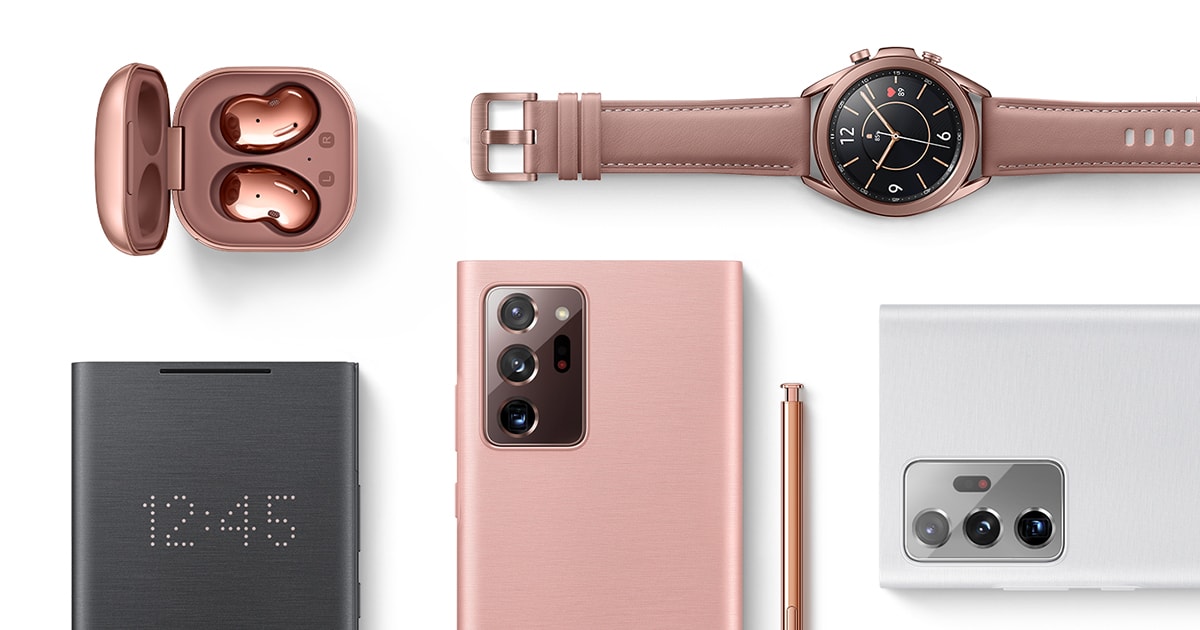
รู้ก่อนเลือกซื้อโทรศัพท์มือถือและอุปกรณ์เสริม ตัดสินใจแบบไหนถึงคุ้มค่ารู้ก่อนเลือกซื้อโทรศัพท์มือถือและอุปกรณ์เสริม ตัดสินใจแบบไหนถึงคุ้มค่า
โทรศัพท์มือถือจัดเป็นอุปกรณ์อิเล็กทรอนิกส์ที่มีความน่าอัศจรรย์ในการใช้งานไม่น้อยเลยทีเดียว ด้วยความอัจฉริยะของระบบปฏิบัติการ และแอปพลิเคชันที่มีให้เลือกอย่างหลากหลาย ทำให้โทรศัพท์มือถือสามารถทำสิ่งสำคัญต่าง ๆ ได้เกือบจะแทนที่เครื่องใช้ไฟฟ้าอีกหลายชนิด ในปัจจุบันจึงมีการพัฒนาอุปกรณ์เสริมเพื่อนำมาใช้คู่กันให้อำนวยความสะดวกในการใช้งานที่มากขึ้น ทำให้เวลาซื้ออาจจะได้โทรศัพท์มือถือและอุปกรณ์เสริมมาคู่กัน หรือบางทีอายุการใช้งานที่มีไม่เท่ากัน ก็ทำให้ต้องไปซื้อชิ้นใหม่มาแทนที่ชิ้นเก่า แล้วเราจะรู้ได้อย่างไรล่ะว่าเราควรซื้ออุปกรณ์เสริมชิ้นไหน ซื้อมาแล้วจะใช้กับโทรศัพท์มือถือที่เรามีอยู่ได้หรือเปล่า เพื่อไม่ให้ต้องเสียเงินไปฟรี ๆ เราไปทำความรู้จักกันก่อนดีกว่า เลือกอุปกรณ์เสริมให้ถูกต้อง เหมาะสมกับการใช้งาน อุปกรณ์เสริมสำหรับโทรศัพท์มือถือแต่ละเครื่องไม่เหมือนกัน การที่โทรศัพท์มือถือมีหลายรุ่น มีหลายยี่ห้อ เหล่าอุปกรณ์เสริมก็ต้องเดินตามเช่นกัน ก่อนที่จะเลือกซื้ออุปกรณ์ชิ้นใดมา มีคำถามที่ควรต้องตอบเสียก่อนดังนี้ อุปกรณ์เสริมชิ้นนั้นมีความจำเป็นจริงหรือไม่ อุปกรณ์เสริมแต่ละประเภทมีความหลากหลายตามแต่การใช้งาน ยกตัวอย่างเช่น หูฟังไร้สาย อาจจะมีประโยชน์ในด้านความคล่องตัว
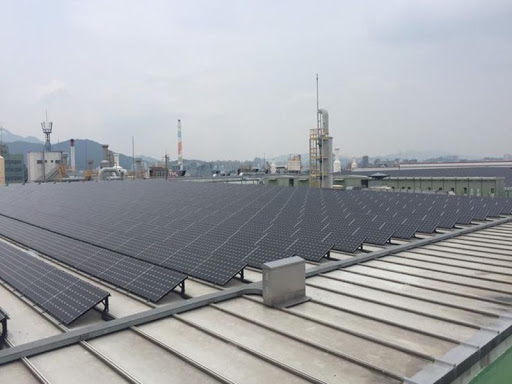
ความสำคัญของ “พลังงานทดแทน” ที่เรานั้นอาจจะไม่เคยรู้ความสำคัญของ “พลังงานทดแทน” ที่เรานั้นอาจจะไม่เคยรู้
ปัจจุบันนั้นในโลกของเรานั้นมีการนำพลังงานมาใช้งานในรูปแบบต่าง ๆ มากมายเลยทีเดียวซึ่งพลังงานที่เป็นต้นฉบับ หรือ พลังงานจากธรรมชาตินั้นโอกาสที่ใช้แล้วจะหมดไป ก็มีด้วยเช่นกัน ซึ่งพลังงานแต่ละแบบนั้นก็ล้วนแต่จะมีพลังงานไว้ใช้ทดแทน หรือ ที่เราเรียกว่าพลังงานทดแทนที่สามารถผลิตได้เองนั้นเอง ดังนั้นในบทความนี้เราจะมาดูความสำคัญของพลังงานทดแทนกันดีกว่านะครับ ว่ามีความสำคัญถึงขนาดไหนกันบ้าง ขับเคลื่อนเศรษฐกิจของประเทศนั้น ๆ อย่างแรกเลยนั้นคือในเรื่องของ เศรษฐกิจนนั้นแน่นอนว่าการมีบริษัทพลังงานทางเลือก นั้นจะช่วยให้เศรษฐกิจต่าง ๆ ของประเทศนั้น ๆ มีสภาพเศรษฐกิจที่คล่องตัวขึ้นอย่างมากเลยนะครับเพราะว่าถ้าหากว่าประเทศที่มีบริษัทพลังงานทางเลือก นั้นจะช่วยให้ประเทศนั้น ๆ สามารถที่จะส่งออกพลังงานในการจำหน่ายได้นะครับ ทำให้เศรษฐกิจของประเทศนั้น ๆ ดีขึ้น และทำให้มีเศรษฐกิจที่ดีนั้นเอง ช่วยลดปัญหาโลกมากขึ้น ปัญหาของโลกนั้นอย่างที่เรารู้กันว่าโลกของเรานั้นกำลังร้อนมากขึ้นเนื่องด้วยจากหลาย ๆ ปัจจัย และ
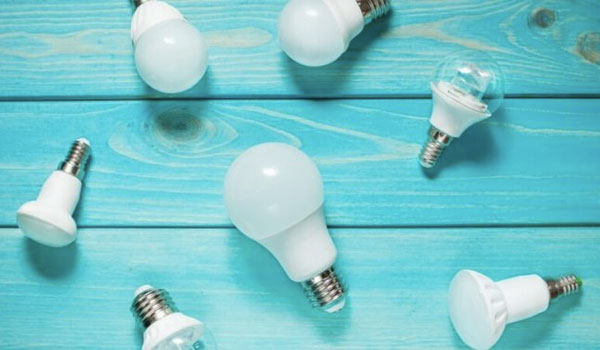
4 เหตุผลที่ควรซื้อหลอดไฟกลม LED4 เหตุผลที่ควรซื้อหลอดไฟกลม LED
หากจะกล่าวถึงหลอดไฟที่ได้รับความนิยมในปัจจุบัน ก็คงจะหนีไม่พ้นหลอดไฟกลม LED ซึ่งมีคุณภาพดีเหมาะสมสำหรับการใช้งานในทุกห้องเป็นอย่างยิ่ง แต่หากว่าคุณนั้นกำลังลังเลว่าเพราะอะไรเราจึงควรใช้หลอดไฟกลมแบบ LED แล้วหลอดไฟกลมนั้นมีข้อดีอย่างไร มาดูเหตุผลของการใช้หลอดไฟประเภทนี้ไปพร้อมๆกัน 1.มีอายุการใช้งานที่ยาวนาน สำหรับเหตุผลได้ที่อยากแนะนำให้หลายๆคนตัดสินใจซื้อหลอดไฟกลม LED นั่นก็คืออายุการใช้งานที่ยาวนาน หากเราสังเกตหลอดไฟในสมัยก่อนเราจะพบว่าเป็นหลอดไฟไส้แบบธรรมดา ซึ่งข้อเสียของหลอดไฟแบบนี้ก็คือการที่ใช้งานได้ในระยะสั้นๆเท่านั้น ไม่ตอบโจทย์ของคนที่ต้องการเปิดไฟไว้ตลอดทั้งคืนเพื่อเพิ่มความปลอดภัยให้กับบ้านของตนเอง ปัจจุบันปัญหาโจรขโมย หรือนักย่องเบามีมากขึ้นเรื่อยๆ เนื่องจากสภาพเศรษฐกิจที่ย่ำแย่ เราจะติดกล้องวงจรปิดแค่เพียงอย่างเดียวก็ไม่ได้ จำเป็นจะต้องมีการติดไฟเพิ่มเติมเพื่อให้สามารถเห็นตัวโจรผู้ร้ายได้ชัดเจนขึ้น และนำหลักฐานเหล่านั้นไปยื่นกับตำรวจเพิ่มเติมเพื่อการจับคนร้ายได้โดยเร็ว จำเป็นอย่างมากที่จะต้องติดไฟไว้ตลอดทั้งคืน ดังนั้นการใช้หลอดไฟแบบ LED จึงถือว่าตอบโจทย์มากที่สุด 2.ประหยัดค่าไฟฟ้า ข้อดีอันดับต่อไปที่อยากให้หลายๆ คน เลือกใช้หลอดไฟแบบ LED ก็คือการประหยัดค่าไฟฟ้านั่นเอง จุดเด่นของหลอดไฟแบบแอลอีดีคือคุณจะสามารถเปิดไว้ได้ทั้งคืนโดยไม่เปลืองค่าไฟฟ้า หลายคนคงอาจไม่เคยรู้มาก่อนว่าหลอดไฟ LED ให้ความสว่างมากถึง 80 เปอร์เซ็นต์ในขณะที่ใช้ไฟฟ้าไปเพียง 20 เปอร์เซ็นต์เท่านั้น จึงให้ความสว่างที่มากแต่กินไฟน้อย 3.สามารถทิ้งลงถังขยะได้ บางคนอาจคิดว่าหลอดไฟแอลอีดีก็เหมือนหลอดไฟประเภทอื่นๆ ที่ไม่สามารถทิ้งลงในถังขยะแบบปกติได้
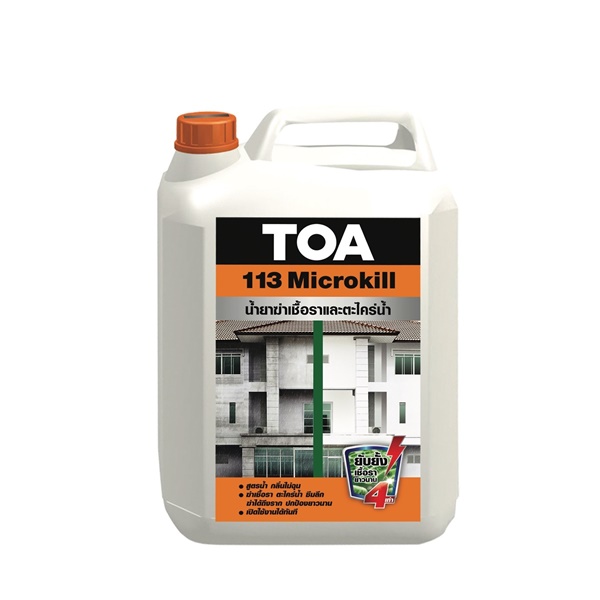
4 เหตุผลที่น้ำยากำจัดเชื้อรา ควรใช้มากกว่าการผสมเอง4 เหตุผลที่น้ำยากำจัดเชื้อรา ควรใช้มากกว่าการผสมเอง
เชื่อว่าหลายคนนั้นจะต้องและเจอเชื้อราภายในบ้านอย่างแน่นอน ซึ่งเชื่อว่าหลายคนนั้นจะต้องเจอกับเชื้อราอย่างแน่นอน เพราะว่าภายในบ้านเรานั้นมีความชื้น ก็จะต้องพบและเจอกับเชื้อรา และ แน่นอนว่าบางคนนั้นเลือกที่จะผสมน้ำยาเองมากกว่าที่จะใช้ น้ำยากำจัดเชื้อรา มากกว่า ดังนั้นในบทความนี้เราจะมาพูดถึง ว่าทำไมเราถึงควรใช้ น้ำยากำจัดเชื้อรา มากกว่า ที่จะผสมเอง มาลองดูเหตุผลนะครับ ได้ผลมากกว่า อย่างแรกเลยนั้นคือในเรื่องของ “ประสิทธิภาพ” เนื่องจากว่าการเลือกใช้ น้ำยากำจัดเชื้อรา นั้นจะมีผลมากกว่า และ มีประสิทธิภาพมากกว่าด้วยเช่นกัน ดังนั้นเหตุผลหลัก ๆ เลยนั้นคือการที่เราเลือกใช้ น้ำยากำจัดเชื้อรา นั้นจะได้ผลมากกว่าการที่เราเลือกใช้น้ำยาที่เราผสมเองนะครับ ซึ่งถ้าหากว่าบ้านของเรานั้นมีเชื้อราที่เยอะ
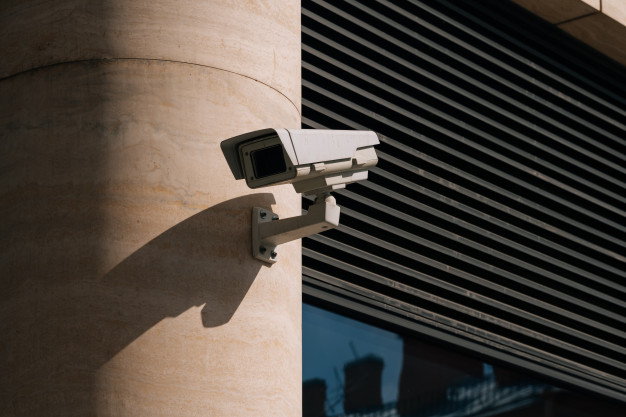
กล้องวงจรปิดเชื่อมต่อออนไลน์ คืออะไร? น่าใช้งานไหม?กล้องวงจรปิดเชื่อมต่อออนไลน์ คืออะไร? น่าใช้งานไหม?
กล้องวงจรปิดออนไลน์ หรือ ที่มักเรียกกันว่ากล้องวงจรปิด IP Camera เป็นระบบกล้องวงจรปิดรูปแบบหนึ่ง ที่เป็นระบบกล้องวงจรปิดที่เชื่อมต่อกับอินเตอร์เน็ต และ เทคโนโลยีหลายรูปแบบไว้ด้วยกัน โดยบางรุ่นสามารถทำงานร่วมกับปัญญาประดิษฐ์ หรือ AI ได้ในการช่วยตัดจับใบหน้าของผู้ผ่านหน้ากล้อง รวมทั้งส่งข้อมูลรางงานแบบ real-time ผ่านระบบอินเทอร์เน็ต ทำให้หลาย ๆ บ้านในปัจจุบัน จึงหัวมาใช้กล้องวงจรปิดแบบ IP หรือ กล้องวงจรปิดออนไลน์นั่นเองค่ะ โดยวันนี้เราก็ได้นำข้อดีข้อเสียของกล้องวงจรปิดประเภทนี้มาแชร์ให้เพื่อน ๆ รู้กัน เผื่อไว้เป็นข้อมูลใช้ในการตัดสินใจในการซื้อกล้องวงจรปิดนอนาคต ส่วนจะมีอะไรบ้างมาดูกันเลยค่ะ ประโยชน์ของกล้องวงจรปิดออนไลน์ เซ็นเซอร์หลายตัว